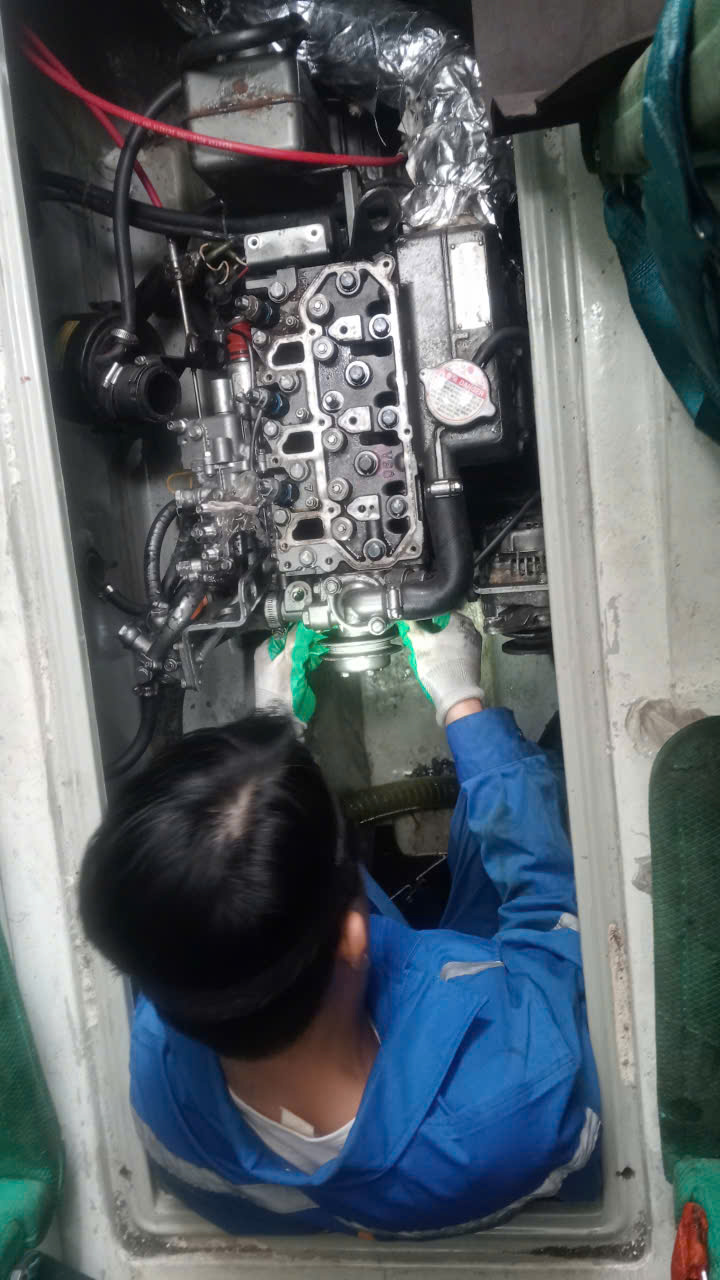
INSPECTION AND MAINTENANCE OF M/E FOR LIFEBOAT

M/V HARVEST RAIN


*SOLAS regulation III/20 requires that all Life-saving Appliances shall be in working order and ready for immediate use before the ship leaves port and at all times during the voyage. Lifeboats, launching appliances and release gear are required by SOLAS regulation III/20 to be inspected weekly and monthly according to the instructions for on-board maintenance complying with the requirements of SOLAS regulation III/36. Also, MSC.1/Circ.1206 describes more detailed procedures for periodic servicing and maintenance of lifeboats, launching appliances and release gear.
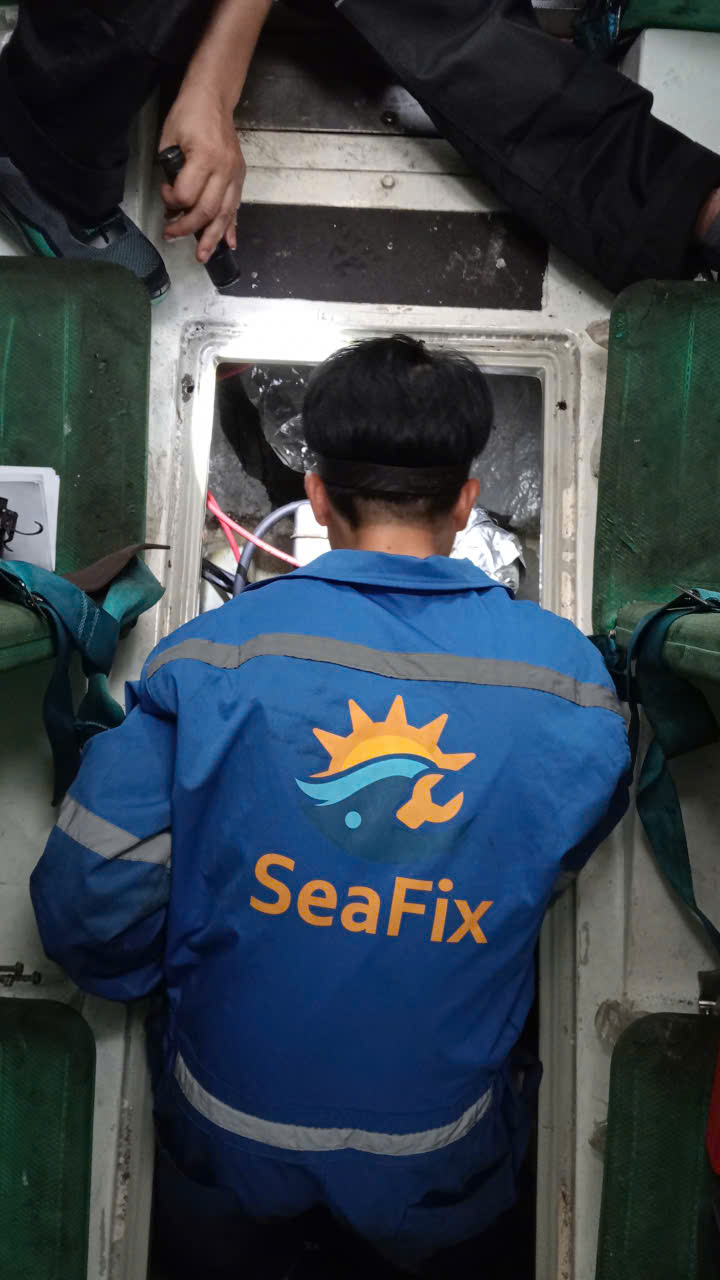
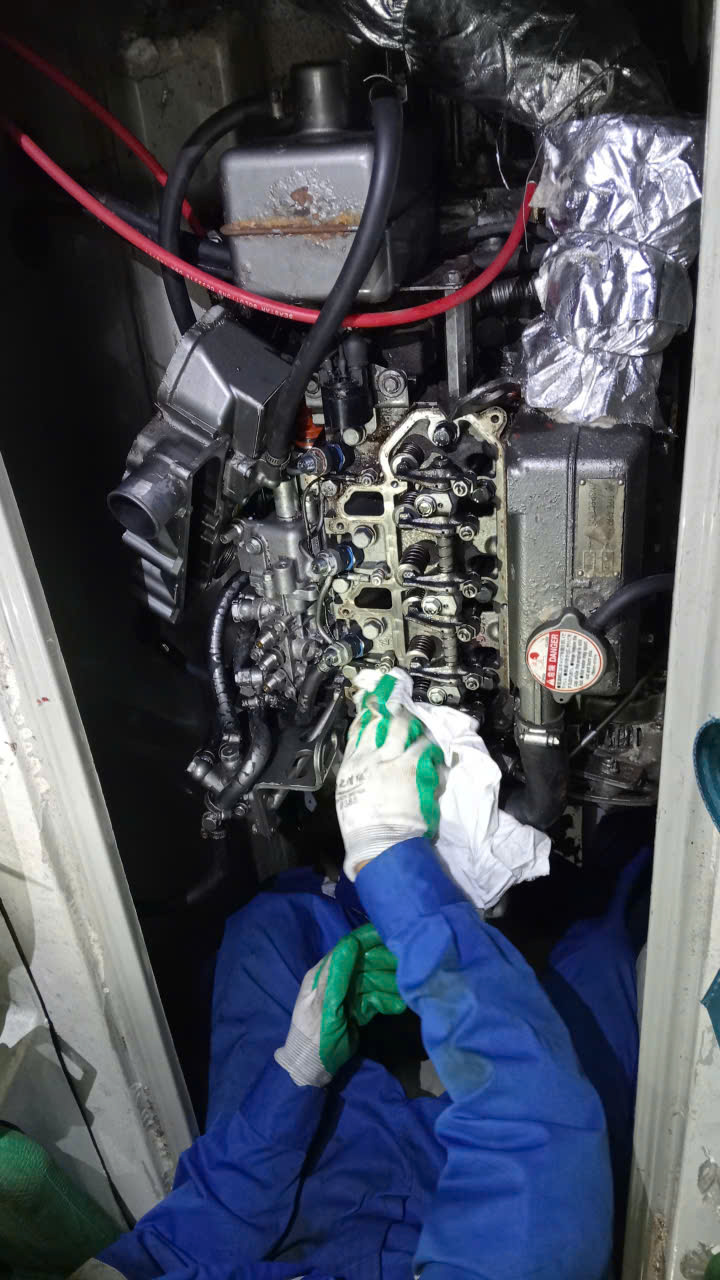
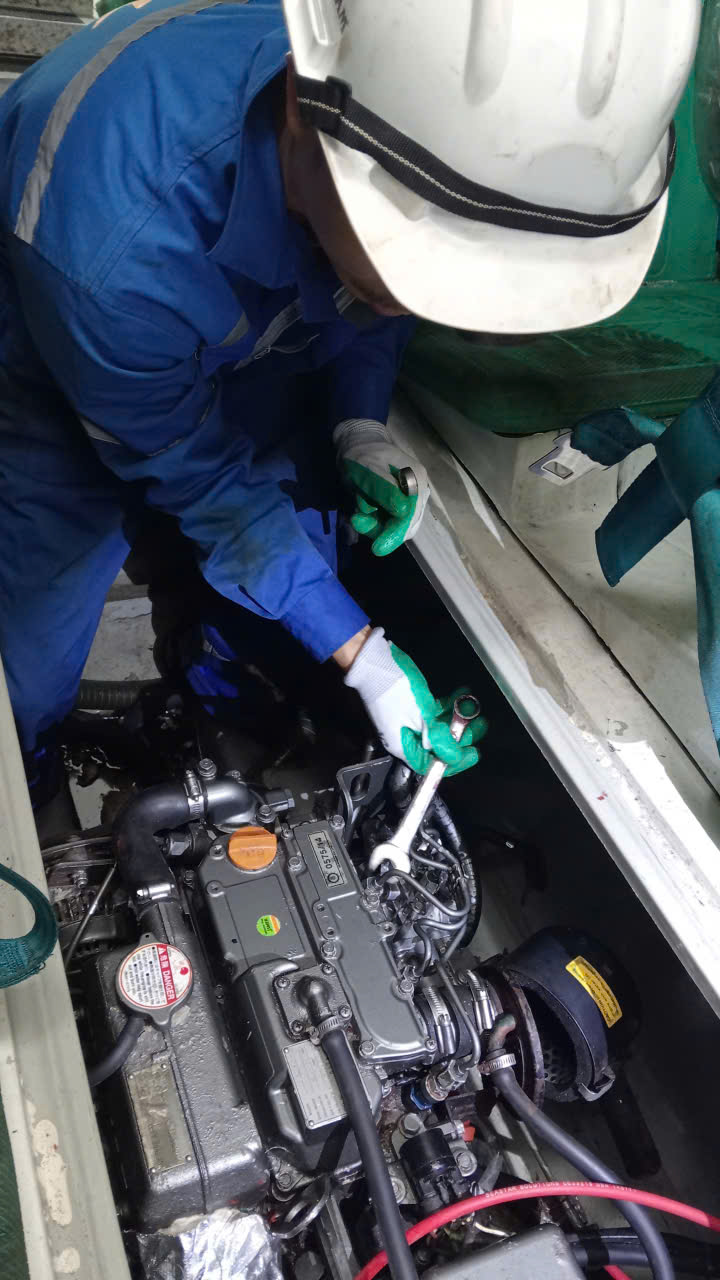
*Maintenance of M/E for Lifeboat is a critical process that ensures M/E in good condition and operating normal. SEAFIX MRS, a leading repair company, is dedicated to providing top-notch services for this essential task. Here is a detailed guide to the main activities involved in the maintenance process:

Tool Box Meeting (TBM)

Before the start of each work, SEAFIX MRS conducts a Tool Box Meeting (TBM). This meeting serves multiple purposes:

  • TBM sessions are help to ensure effective communication of safety hazards to subsequent, helping to maintain a high level of safety awareness.
  • During the TBM, specific tasks are assigned to teams or individuals, which enhances work efficiency and minimizes safety risks.
  • All equipment is thoroughly inspected before work begins to ensure it is in proper working order.
  • The TBM helps raise awareness about potential safety hazards specific to each task.

Transporting Equipments and Materials

  • Equipments and materials are transported to the designated staging area to prepare for the repair process. This step ensures that all necessary tools and materials are readily available and organized.

Inspecting Process

  • Lubricating oil: Check an amount of oil, Check viscosity of oil with finger and ensure it’s not dirty.
  • Fuel oil tank: Check securing condition of the tank (corrosion or leakage and connecting parts), Check an amount of fuel oil.
  • Fuel oil pipe: Check any leakage on connecting parts.
  • Water cooler: Check an amount of fresh water.
  • Cooling water pipe: Check any leakage on pipe.
  • Starter switch: Check operating properly.
  • Glow lamp: Check light on when pre-heating.
  • Tachometer: Check proper indication of revolution.
  • Oil pressure warning lamp, Charge lamp: Check proper light on or light off condition.
  • Engine: Check in good condition, Start and operate the engine, Check operation of throttle and clutch.
  • Stop wire: Stop the engine
  • Maintain Process

    In the event that a lifeboat engine fails, it is critical to perform repairs as soon as possible. The following steps should be taken:

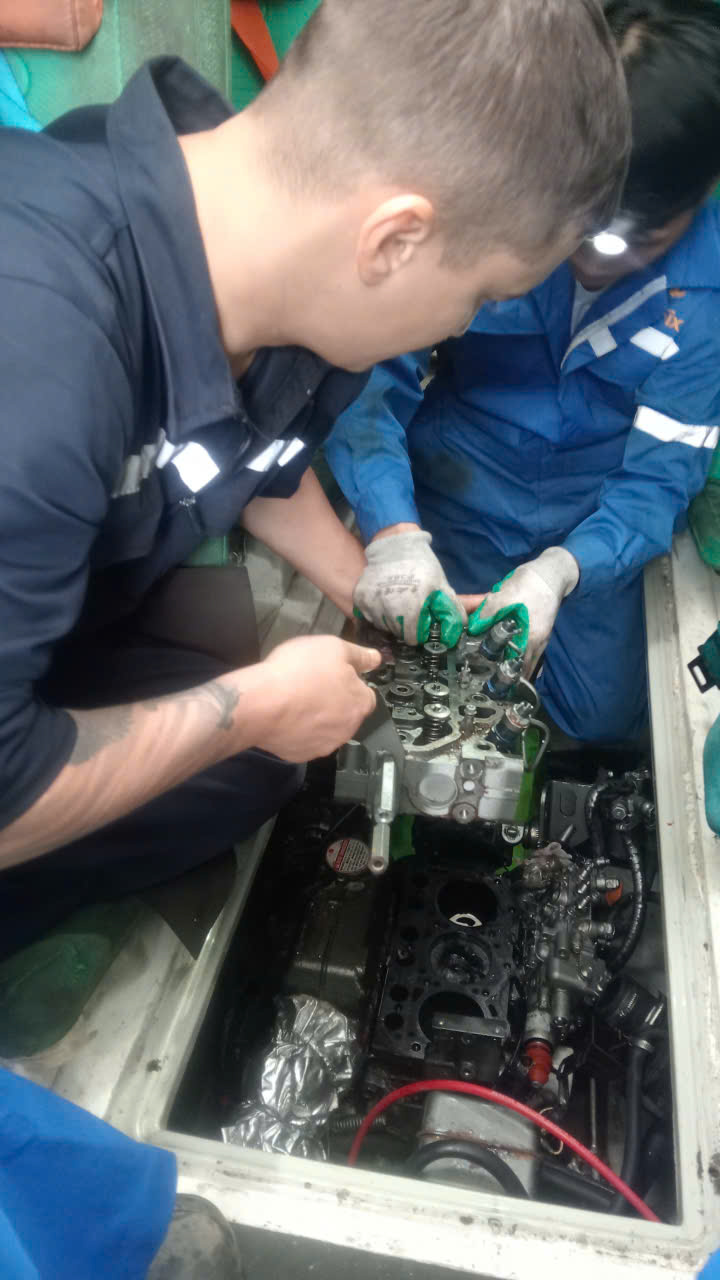
  • Diagnose the problem: The first step in repairing a lifeboat engine is to diagnose the problem. This may involve conducting tests and inspections determine the root cause of the failure.
  • Repair and replace the faulty parts. Once the problem has been identified, the faulty parts must be repaired or replaced. This may involve replacing a worn-out piston or repairing a damaged fuel line.
  • Test the engine: After repairs have been made, the engine must be tested to ensure that it is working properly. This may involve running the engine on a test stand or conducting sea trials.
  • Preventive Maintenance

    Preventive maintenance is essential for ensuring the reliability and longevity of lifeboat engines. The following steps should be taken:
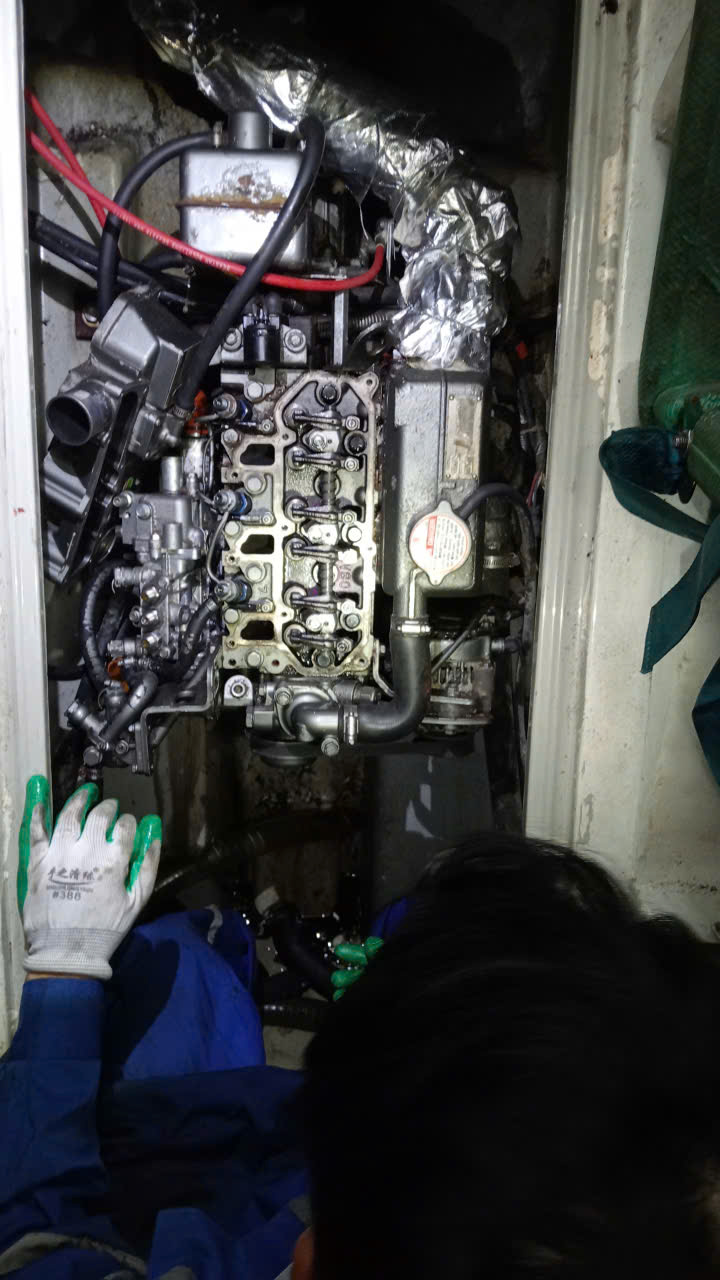
  • Follow the manufacturer’s guidelines: The manufacturer’s
  • ms. These inspections may include checking for leaks, inguidelines should be followed for regular maintenance tasks, such as oil changes, filter replacements, and inspections.
  • Regular inspections: Regular inspections should be conducted to identify potential issues before the become major problespecting belts and hoses, and testing the battery.
  • Lubrication: Proper lubrication of moving parts is essential for preventing wear and tear on the engine. Regular lubrication of the engine’s moving parts can help extend its lifespan.
  • Cleaning: The engine should be kept clean to prevent the build-up of dirt and debris, which can cause damage to moving parts.
  • Record-keeping: Keeping accurate records of maintenance tasks can help ensure that the engine is properly maintained and can also help identify potential issues early on.
  • In conclusion, lifeboat engines require regular maintenance and repairs to ensure that they are reliable and perform effectively in emergency situations. By following manufacturer guidelines, conducting regular inspections, performing preventive maintenance tasks, and keeping accurate records, ship operators can help extend the lifespan of their lifeboat engines and ensure the safety of their crew and passenger

    Replacement of shaft, shaft seals, gearboxes, propellers, hydro-jets, etc. and repair services. Contact us today for prompt assistance.


    SEAFIX MARINE REPAIR SERVICES Co.,Ltd

    Office: No.19 Bui Vien Street, Nam Hai Ward, Hai An District, Hai Phong City

    Hotline 1: +84 973 428 061

    Hotline 2: +84 333 672 822

    Email: tech@seafix.vn

    Website: https://seafix.vn/

    Please fill free to contact us as following address for any kind of marine and repair services for your good vessel in Vietnam.

Slider 1

Contacts

Address: No. 19 Bui Vien Street, Nam Hai Ward, Hai An District, Hai Phong City, Viet Nam

Email: tech@seafix.vn

Email:  vttrung@seafix.vn

Hotline: +84 973 428 061